

 HaZeM Design team
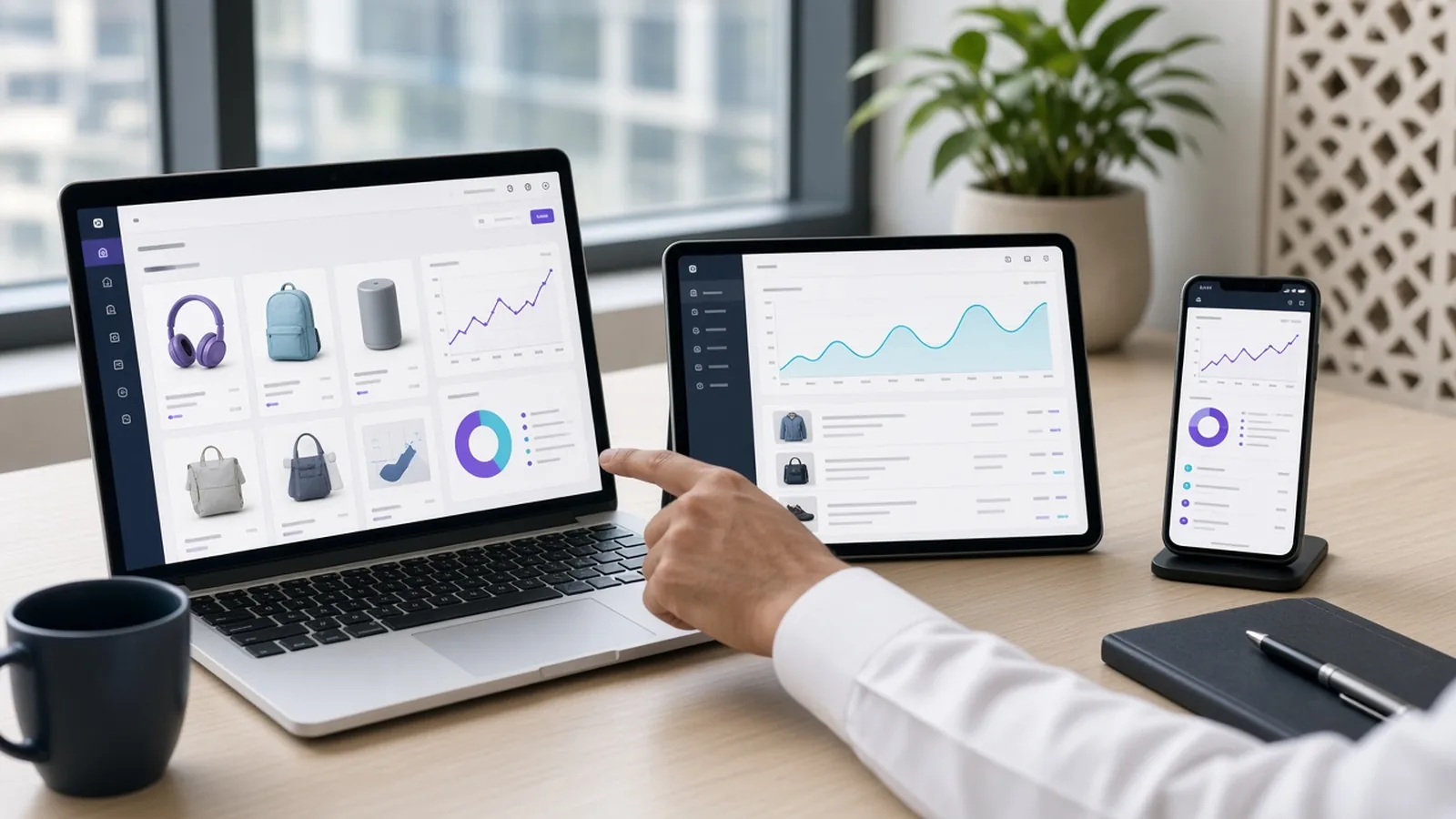
Choosing a platform is one of the biggest decisions when you open an online store, and in the Gulf the shortlist usually comes down to four names. In this WooCommerce vs Shopify vs Salla (and Zid) comparison, we look at what really matters for shops in Kuwait, Saudi Arabia, the UAE and the rest of the GCC: cost over time, Arabic support, local payments, ownership, and how easy each one is to grow with.
There is no single “best” platform. There is the best platform for your business model. Let’s break it down.
The Four Platforms in One Sentence Each
- WooCommerce – a free, open-source e-commerce plugin for WordPress. You host it yourself and own everything.
- Shopify – a global hosted platform with a monthly subscription, a large app store, and a polished admin.
- Salla – a Saudi-born hosted platform built Arabic-first, popular with merchants in the Saudi market.
- Zid – another Saudi-born hosted platform focused on Arabic-speaking merchants, with built-in tools for local commerce.
Platform features, pricing, and country availability change regularly, so always check each provider’s current plans before deciding.
Comparison Table
| Factor | WooCommerce | Shopify | Salla | Zid |
|---|---|---|---|---|
| Hosting | You choose (self-hosted) | Included | Included | Included |
| Cost model | Hosting + optional paid plugins | Monthly plan + apps | Monthly/annual plan | Monthly/annual plan |
| Ownership & portability | Full control of files and data | Data exportable, platform-locked | Platform-locked | Platform-locked |
| Arabic / RTL | Depends on theme; fully customisable | Depends on theme | Arabic-first | Arabic-first |
| Design freedom | Very high | High (within theme system) | Moderate | Moderate |
| Local payment gateways | Plugins for many Gulf providers | Depends on available gateways | Strong in Saudi market | Strong in Saudi market |
| Content & SEO (blog, landing pages) | Excellent (WordPress) | Good | Basic to good | Basic to good |
| Technical maintenance | Your responsibility (or your developer’s) | Handled by platform | Handled by platform | Handled by platform |
WooCommerce: Maximum Control and Flexibility

WooCommerce runs on WordPress, which also powers a large share of the web. That gives you a huge ecosystem of themes, plugins, and developers.
Why Gulf businesses choose it:
- Ownership. Your store, data, and design live on your hosting. You can move providers anytime.
- Bilingual done properly. With the right setup, Arabic and English versions can each have their own URLs and SEO.
- Local payments. Plugins exist for popular regional gateways such as MyFatoorah, Tap and others that support KNET and cards, so integration is usually straightforward.
- Content power. WordPress is excellent for blogs, landing pages, and SEO, which matters if Google is a key traffic source.
- No platform transaction fees. You only pay your payment gateway’s fees.
Trade-offs: you need good hosting, regular updates, backups, and security. That is why a maintenance plan is important.
Best for: brands that want a unique design, strong SEO, Arabic/English, and long-term independence.
Shopify: Polished and Quick to Launch
Shopify is known for an easy admin, reliable hosting, and thousands of apps.
Strengths:
- Very fast to launch with a ready theme.
- Hosting, security, and updates are handled for you.
- Large app ecosystem for marketing, reviews, and upsells.
Things to consider in the Gulf:
- Monthly costs add up: the plan plus paid apps.
- Depending on your country and gateway, extra transaction fees may apply when you use third-party payment providers. Check the current terms for your market.
- Arabic RTL quality depends heavily on the theme you choose.
Best for: merchants who value speed and convenience and are selling internationally as well as locally.
Planning an online store with online payment and delivery across Kuwait?
Salla and Zid: Arabic-First Platforms
Salla and Zid were built with Arabic-speaking merchants in mind. The dashboards, support, and documentation are in Arabic, and they integrate with many services that are common in Saudi commerce.
Strengths:
- Arabic interface and RTL storefronts out of the box.
- Built-in integrations for shipping and payments popular in Saudi Arabia.
- Low technical barrier: you can launch quickly without a developer.
Things to consider:
- Design flexibility is more limited than WooCommerce.
- Your store lives on their platform, so moving later can be more work.
- If you are in Kuwait or another GCC country, confirm current availability, supported gateways (such as KNET), and delivery integrations for your country before committing.
Best for: small and medium shops, especially in Saudi Arabia, that want a simple Arabic-first setup.
Five Questions to Ask Yourself First
- Where will most customers come from? If Google and content matter, WordPress’s SEO strength is a clear advantage. If you rely on Instagram and TikTok ads, launch speed may matter more at the start.
- Does my brand need a distinctive, premium look? Perfume, abaya, and luxury brands often need more design freedom than standard themes allow.
- Who will run the store day to day? Choose an admin you are comfortable with, or agree on support with your developer.
- What is my plan in two years? New branches, other GCC countries, or wholesale can change the right answer.
- What monthly cost can I sustain? Recurring fees affect profit more than the one-time launch cost.
Total Cost Over Two to Three Years
Do not compare only the launch price. Think about the total cost of ownership:
- Setup and design – one-time cost, whether you hire a designer or do it yourself.
- Platform or hosting fees – monthly or yearly.
- Apps and plugins – these can quietly double your monthly bill on hosted platforms.
- Payment fees – gateway fees always apply; check whether the platform adds its own on top.
- Maintenance and improvements – updates, new features, and design tweaks.
In many cases, a well-built WooCommerce store has a higher initial cost but lower recurring costs, while hosted platforms are cheaper to start but more expensive as you add apps. For rough figures in Kuwait, see the website design cost guide.
Quick Decision Guide
- You want a unique brand experience, strong SEO, and full ownership → WooCommerce.
- You want to launch fast with minimal technical work and sell internationally → Shopify.
- You are mainly in the Saudi market and want a simple Arabic dashboard → Salla or Zid.
- You have many products and complex rules (wholesale, B2B, custom pricing) → usually WooCommerce or a custom solution.
- You are just testing an idea with a few products → a simple hosted plan, or even a single landing page with WhatsApp ordering.
Whichever you choose, the user experience matters more than the logo on the admin panel. Read e-commerce UX for Gulf shoppers to see what makes customers actually complete their orders, and the step-by-step guide to launching an online store in Kuwait.
Frequently Asked Questions
Which e-commerce platform is best in Kuwait?
It depends on your goals. WooCommerce suits brands that want full control, custom design and strong SEO. Hosted platforms like Shopify suit merchants who want quick setup. Always confirm local payment gateway support such as KNET before choosing.
Can I accept KNET on WooCommerce?
Yes, typically through a payment provider that supports KNET, such as MyFatoorah, Tap or similar gateways that offer WooCommerce plugins. You will need an approved merchant account with the provider.
Is Salla or Zid available for Kuwaiti stores?
Both platforms are Saudi-based and focus primarily on the Saudi market. Availability, payment options, and shipping integrations for other GCC countries change over time, so check their current offering for Kuwait directly.
Can I move my store from Shopify or Salla to WooCommerce later?
Yes, products and customers can usually be exported and imported, but design and some data need to be rebuilt. Planning your platform choice early saves effort.
Related HaZeM Design services: Salla store design, Shopify store design, WordPress web design.
Not Sure Which Platform Fits Your Store?
Tell us what you sell, how many products you have, and which countries you deliver to, and we will recommend the most suitable platform with a clear estimate. Message us on WhatsApp at +965 50647346. You can also see our e-commerce services, compare packages, or browse store examples in the portfolio.
We serve businesses across Kuwait and the GCC — see also: Web design in Hawalli, Web design in Saudi Arabia, all areas we serve.